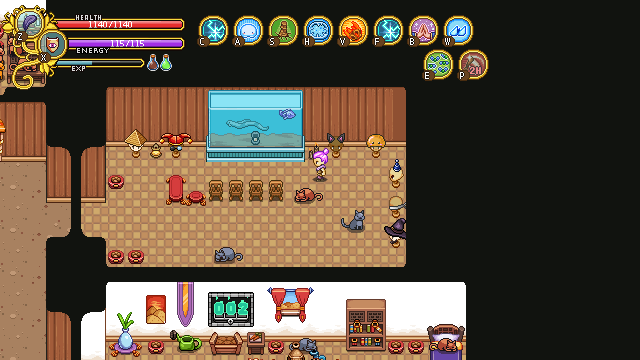
It’s been another fun and exciting month for us here at Pixel Ferrets!
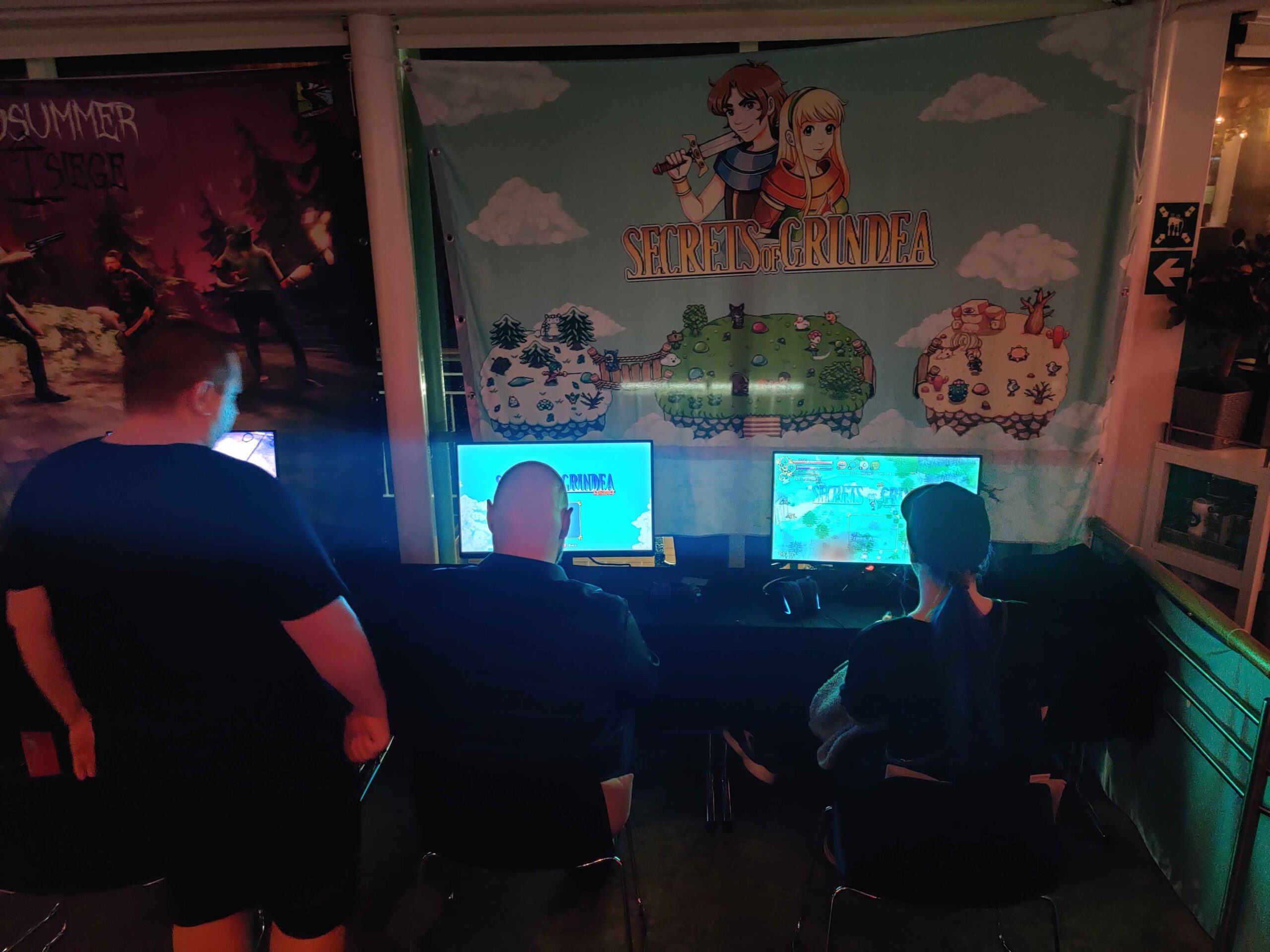
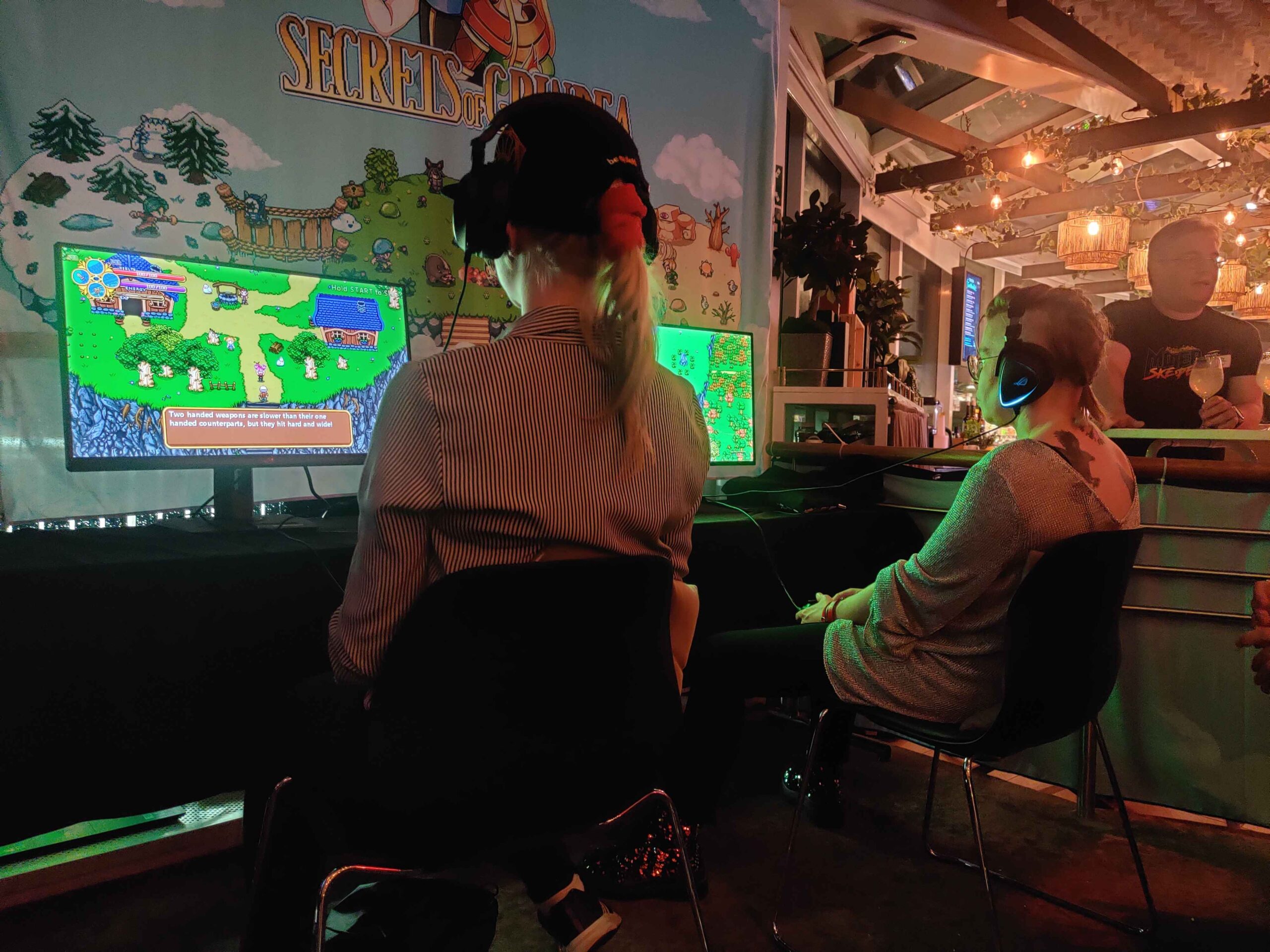
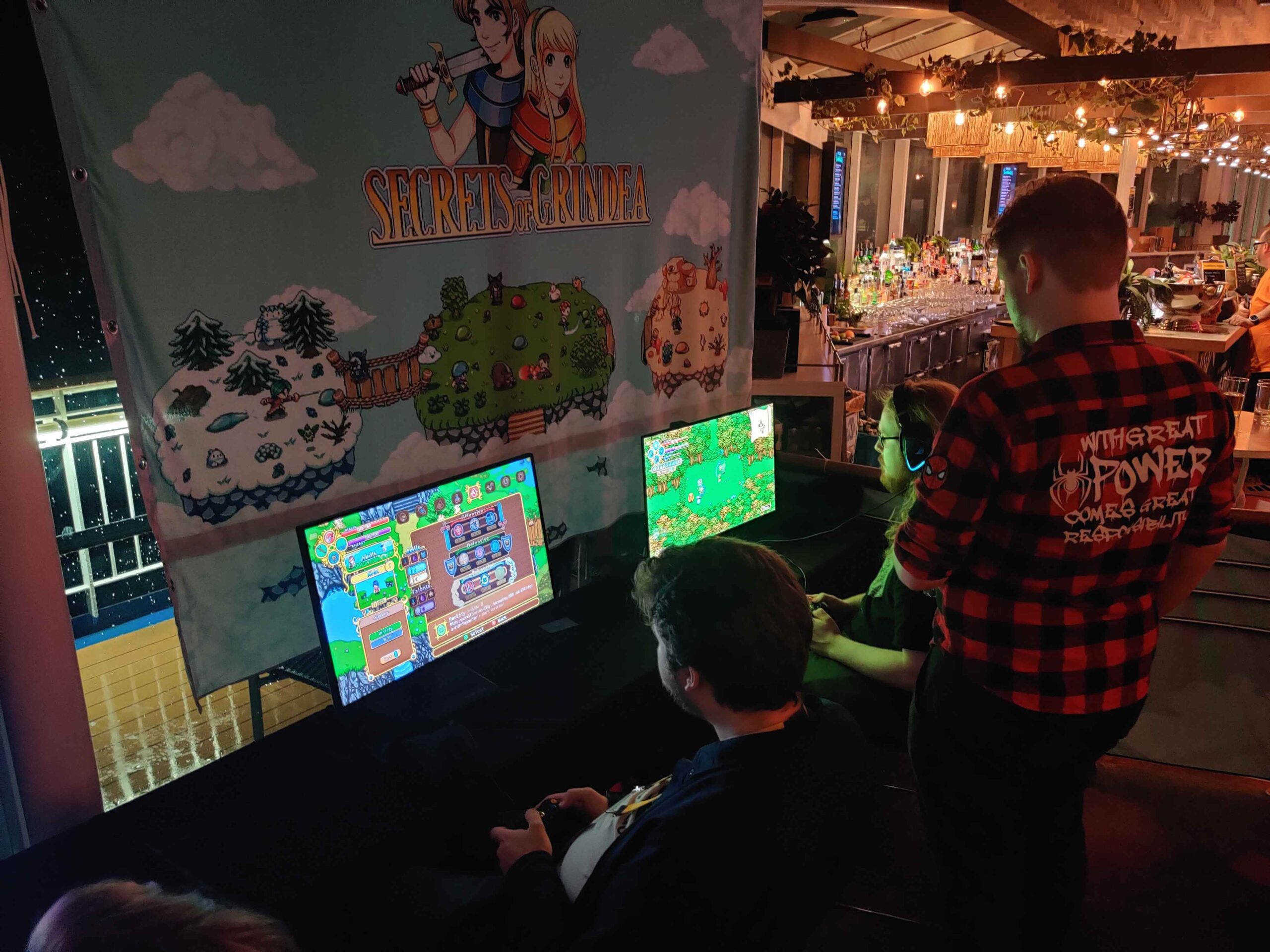
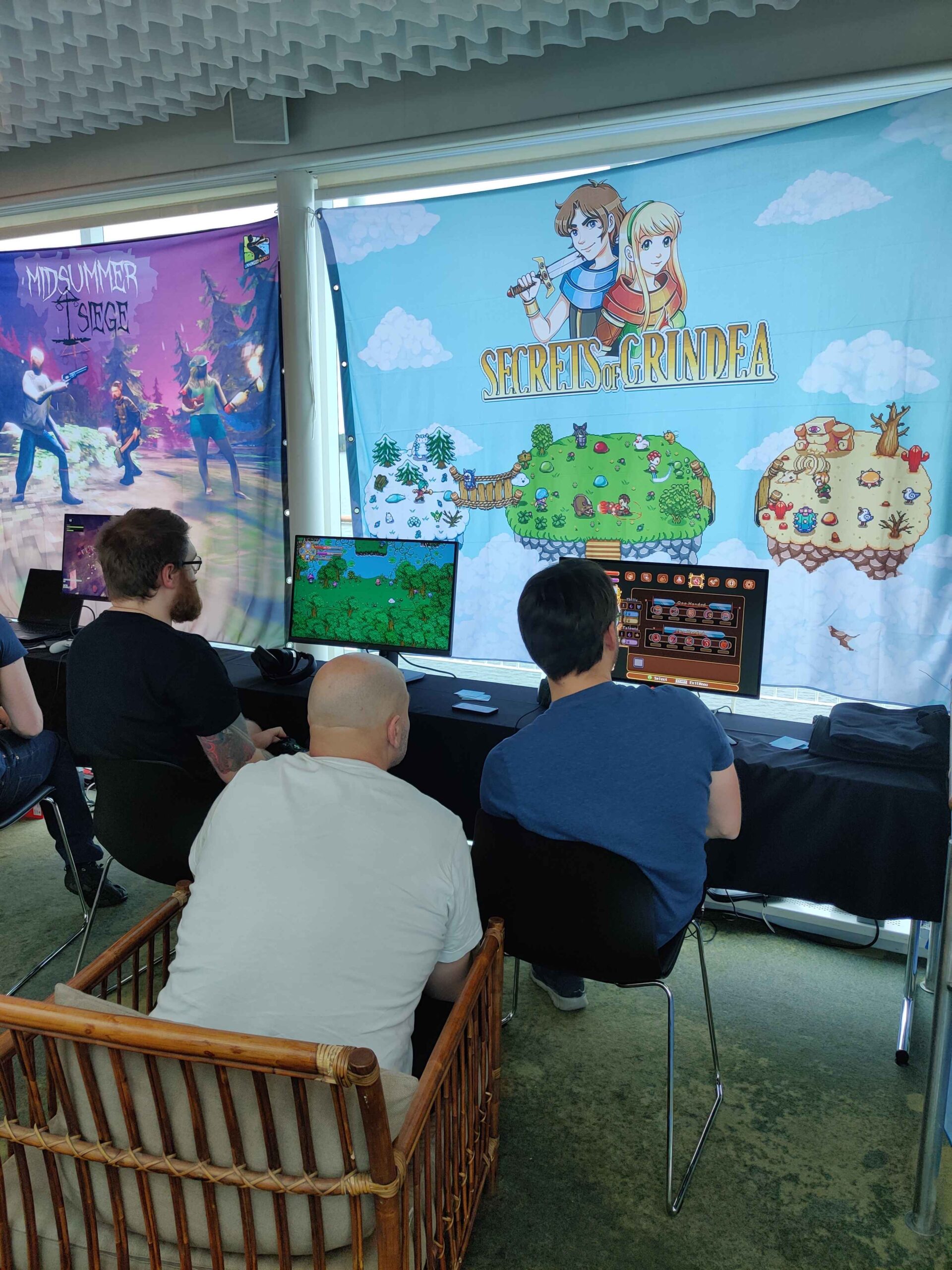
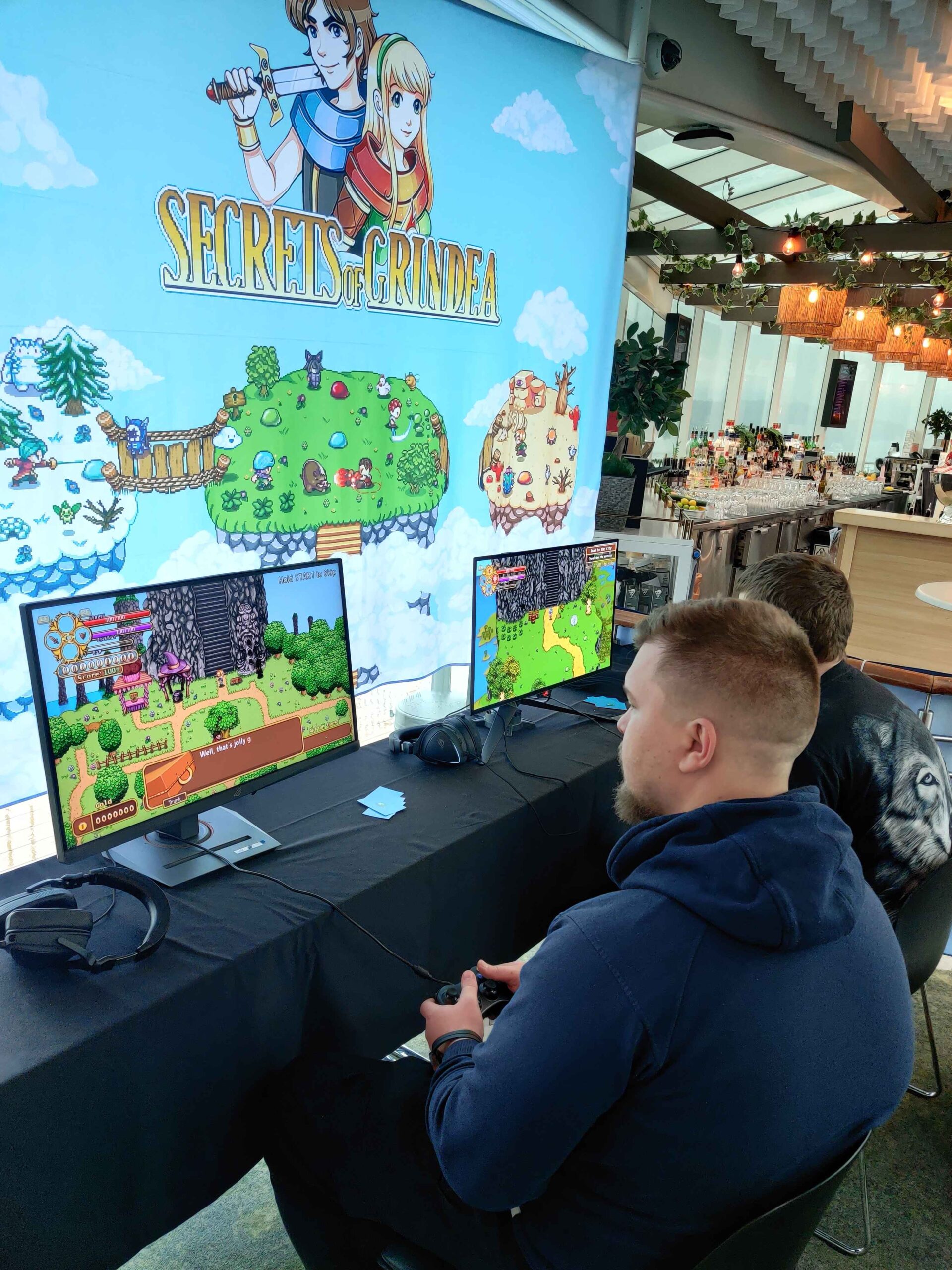
One of the highlights was joining the Moderskeppet cruise, which we mentioned in the last couple of posts. We were absolutely stunned to meet so many passionate fans of the game!! It was a blast seeing how many of you had already played Secrets of Grindea before coming on the cruise, as well as getting to showcase the game to new players.
The cruise in general was absolutely fantastic – we loved connecting with fellow devs on board, trying other games, and having the opportunity to listen to some pretty amazing music. Those of you who didn’t join this time around should definitely do so next year!
Here are some pictures:


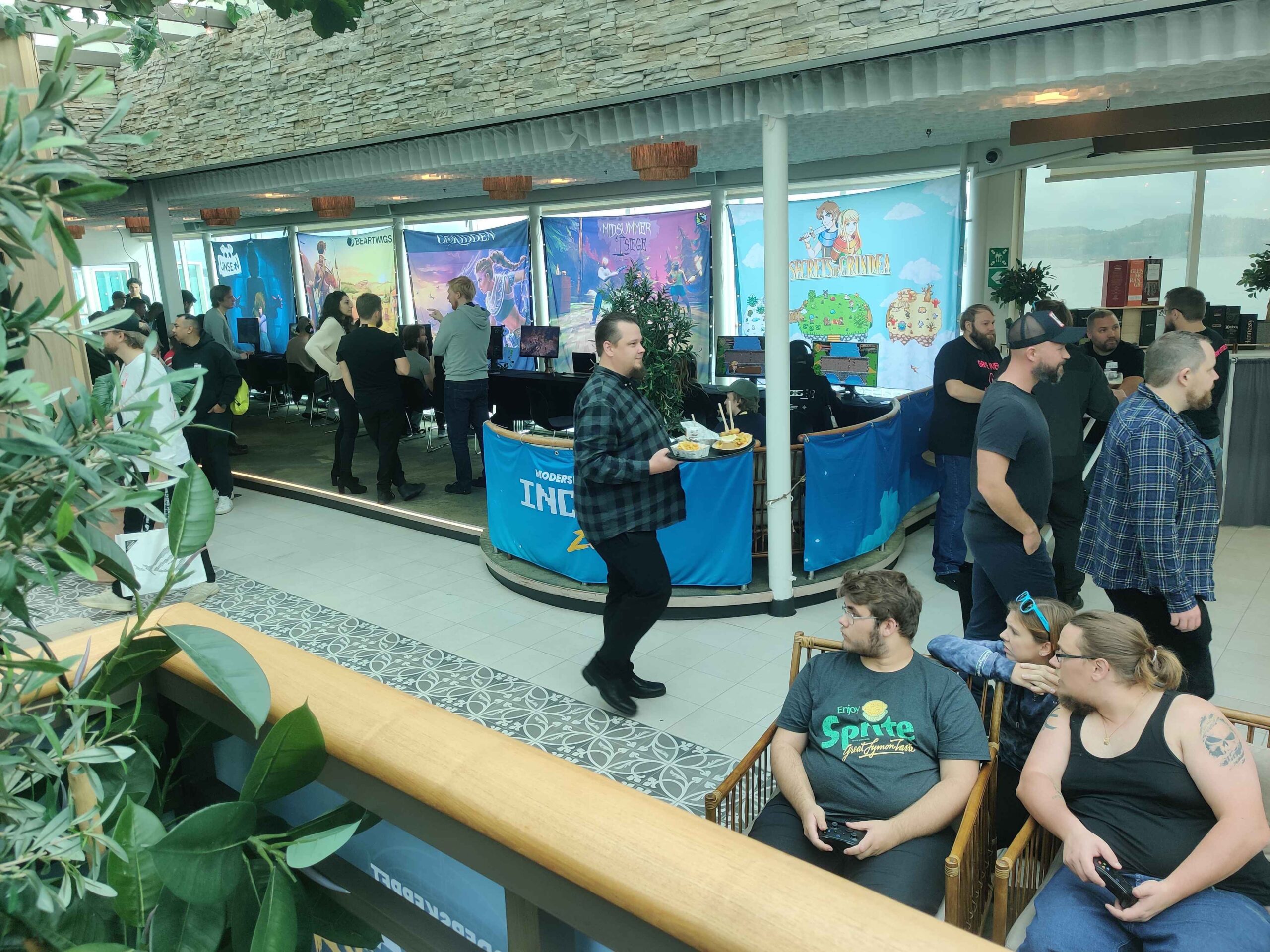
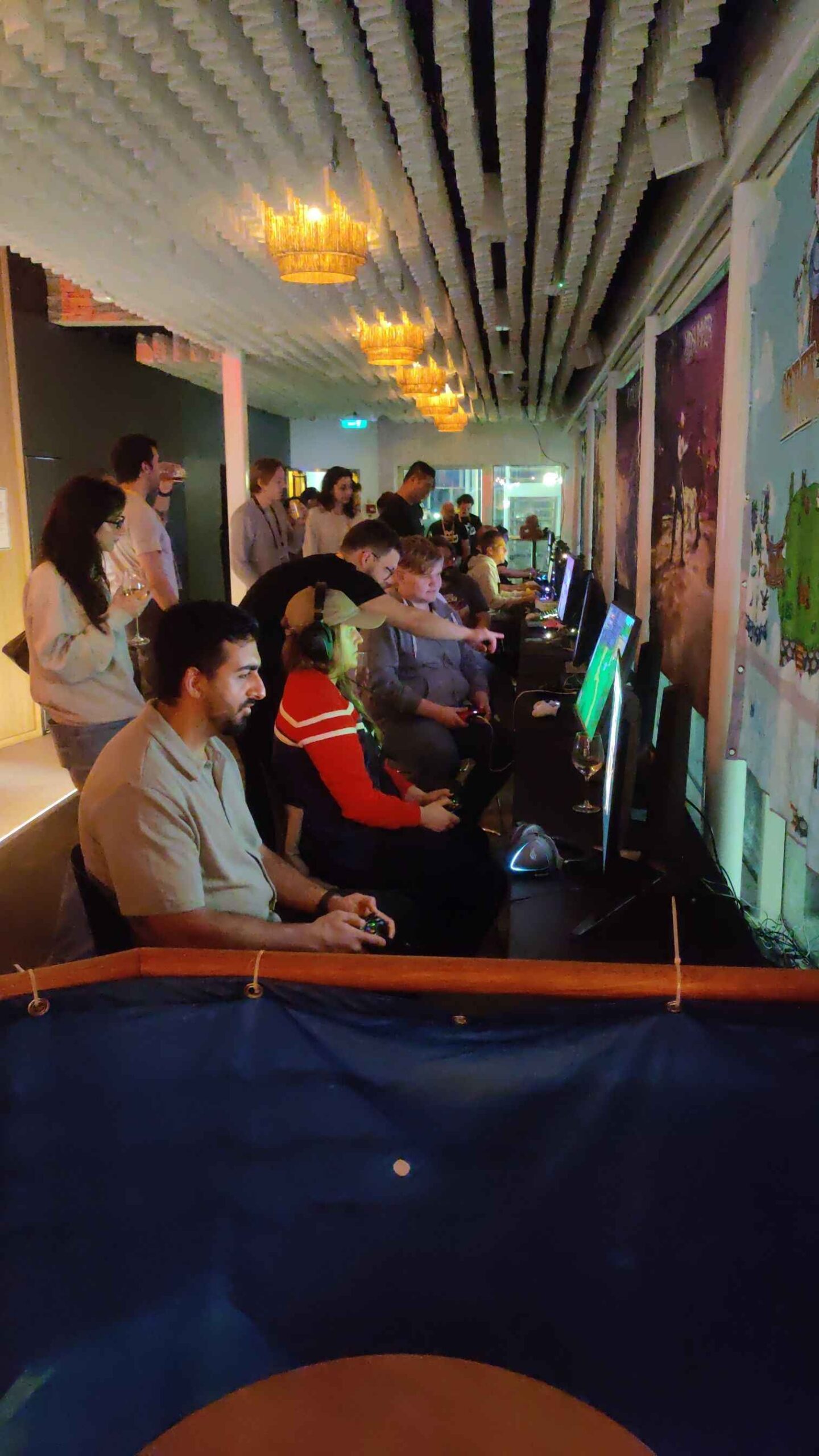
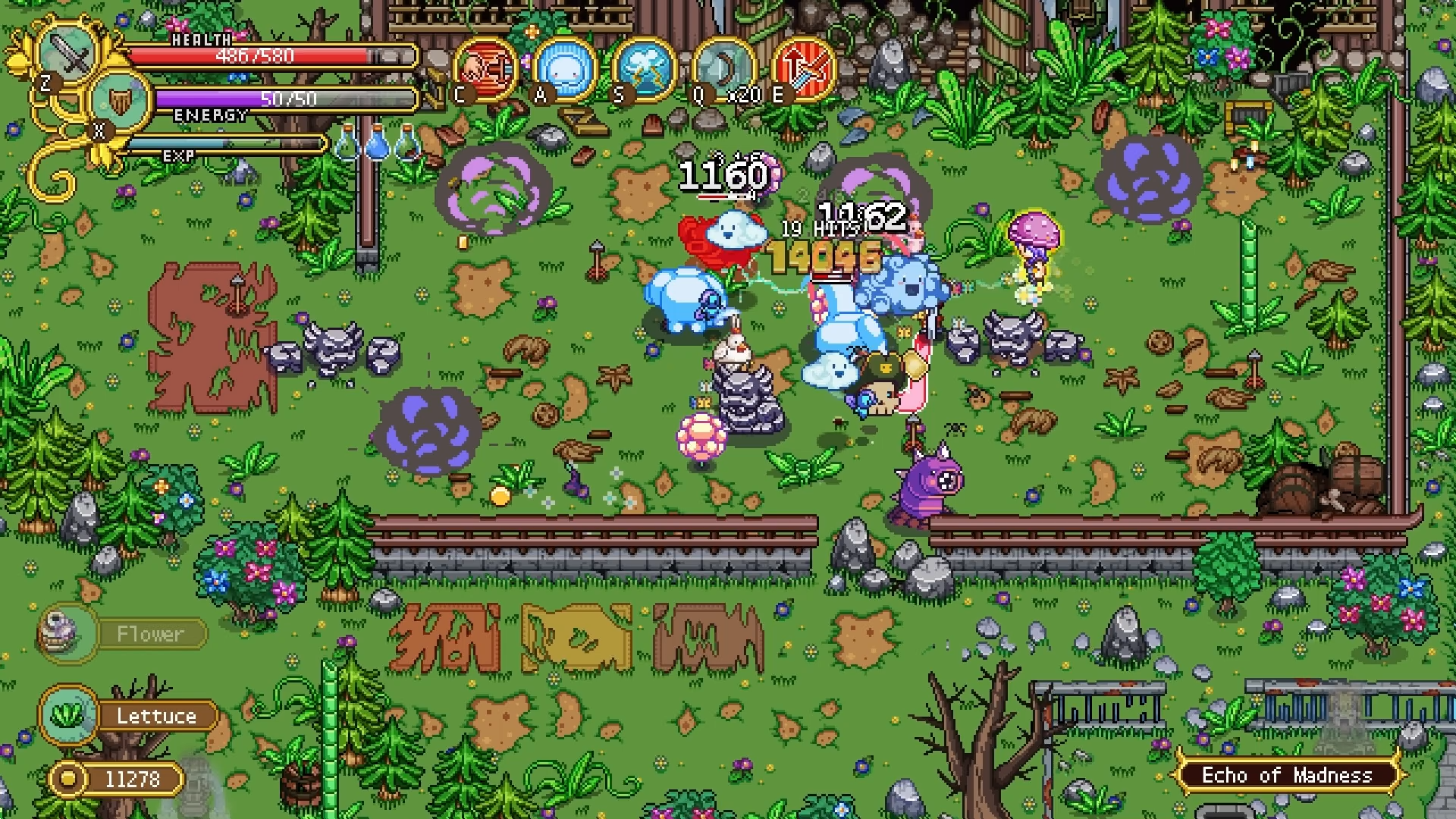
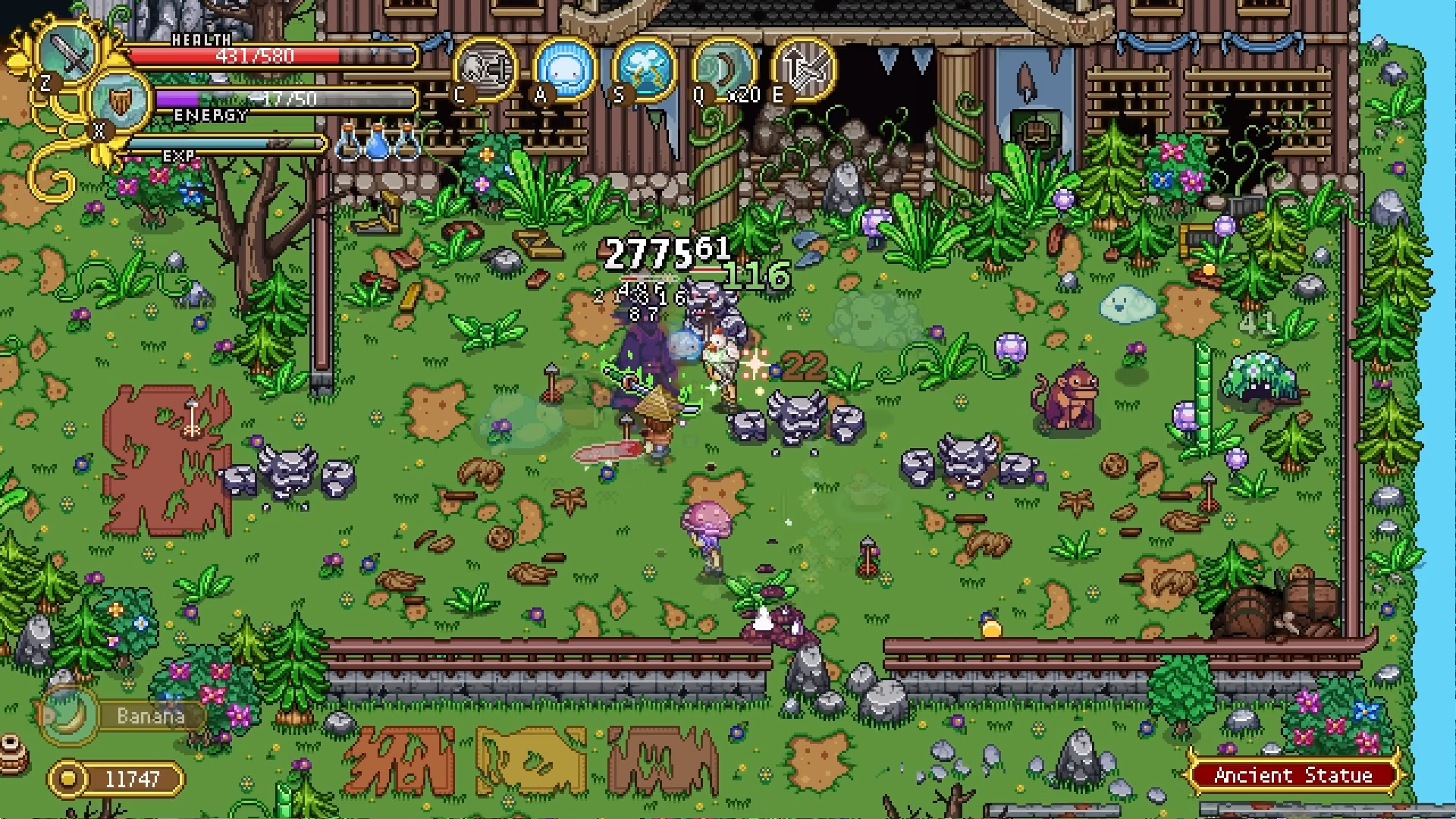
NewGame+
On the development front, we’ve been hard at work, testing and refining the new systems for New Game+. We’re currently experimenting with several changes we think you’ll find exciting (we sure do, anyway):
1. Increased EXP
As you get to keep your level when you start a NewGame+ run, there initially wasn’t much leveling going on – the enemies simply don’t grant enough EXP compared to your high level! This ended up feeling a little boring, and we found ourselves longing for the level up animation and getting new skill points to spend. So, our first experiment has been increasing the EXP from enemies and quests, allowing you to start leveling up again when restarting the game!
2. Overleveling Skills
To give you something to spend your skill points on, we’re adding a new system to the game (for NewGame+ only): overleveling. In other words, you’ll be able to keep leveling skills beyond their original cap. The difference per level won’t be huge, but it’s a lot more satisfying and feels like your character is still making some sort of progress.
3. New Pin Slot Mechanics
Players will now start with just one pin slot in NewGame+, but you can unlock additional slots using skill points. This gives skill points another valuable purpose, as many players have likely settled on their favorite skills at this point and won’t need to spend all their points overleveling them.
4. Totems with Pins:
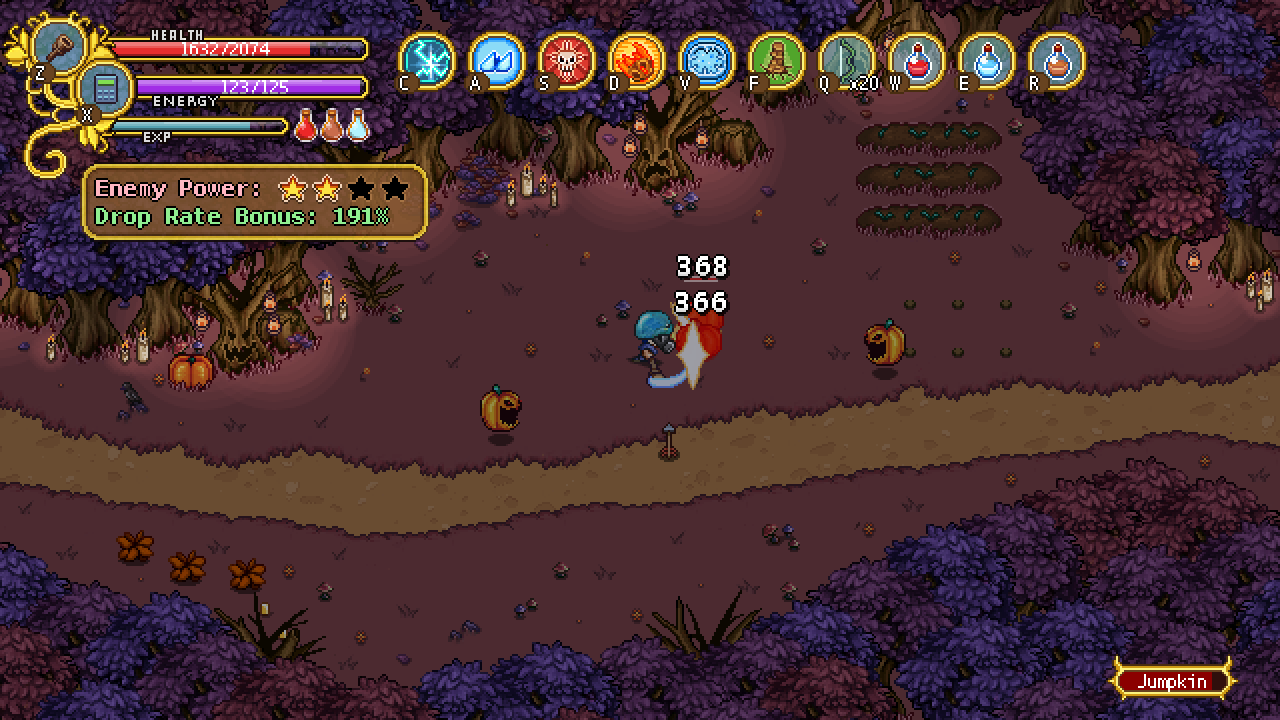
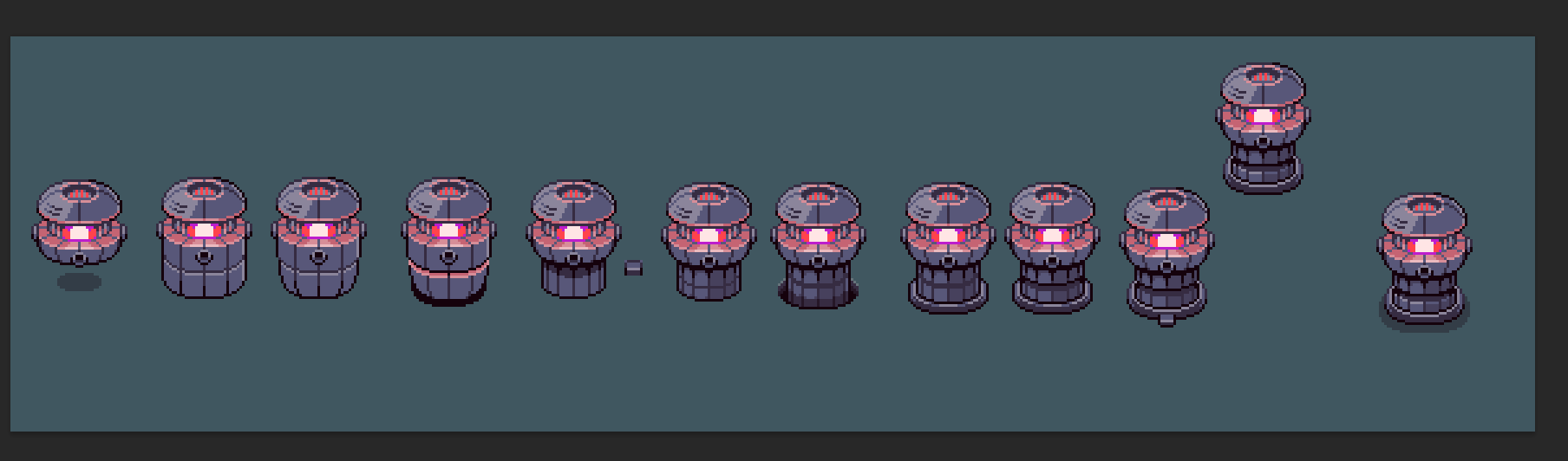
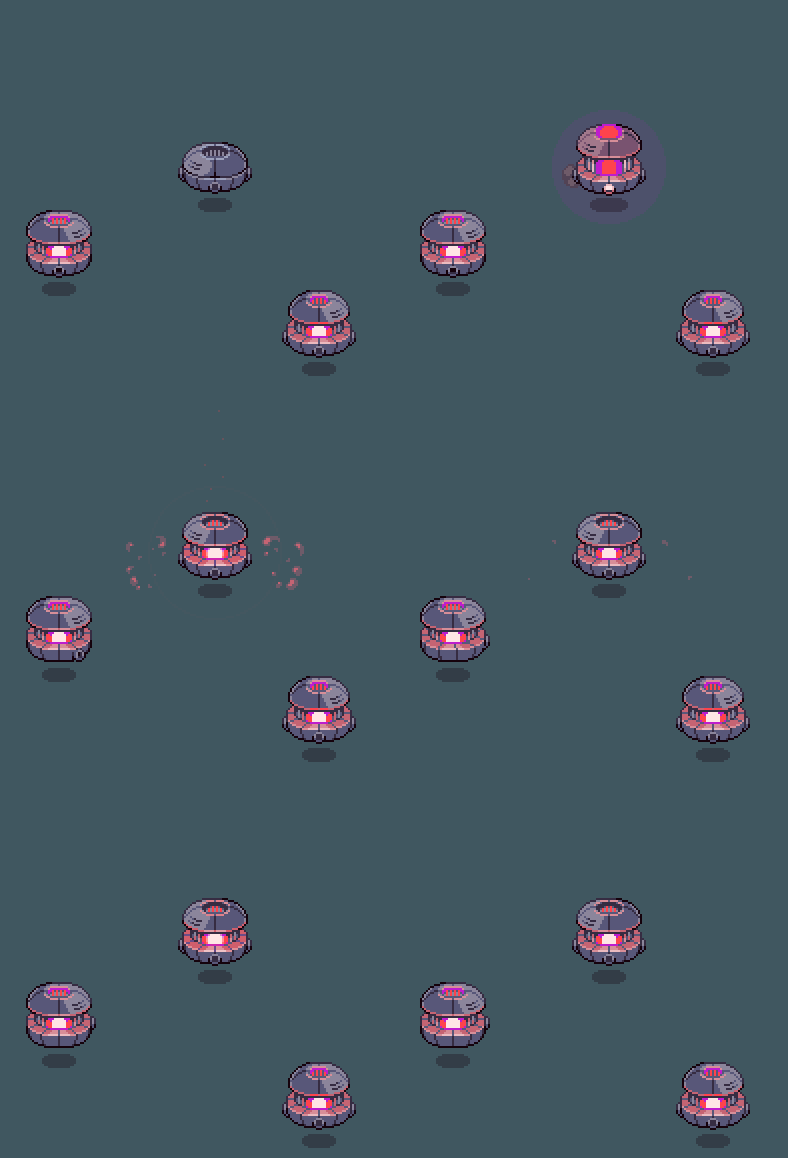
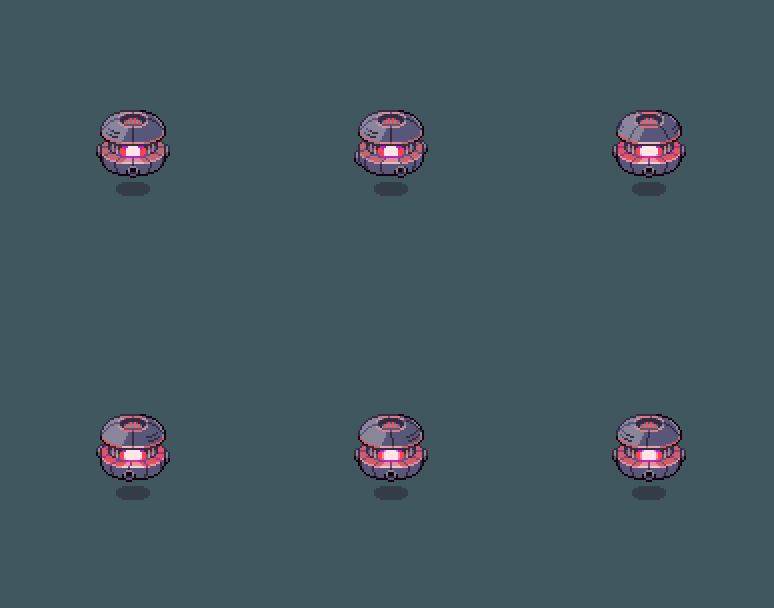
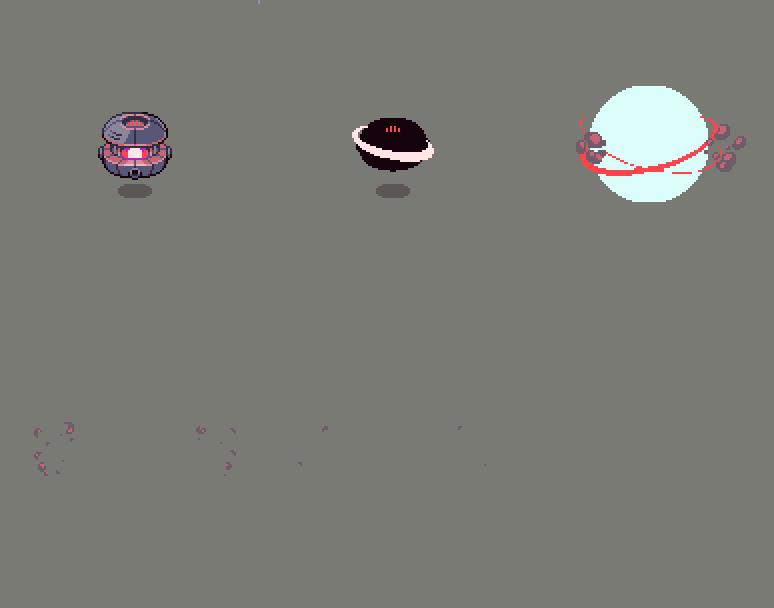
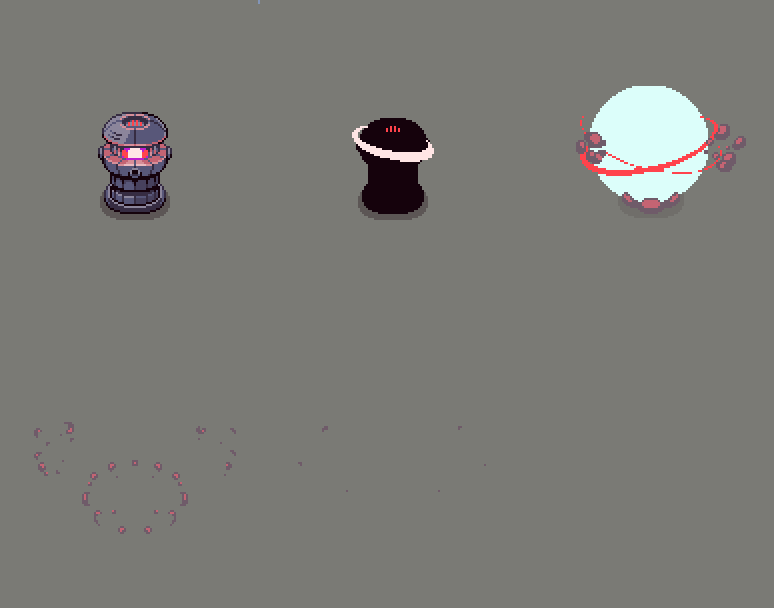
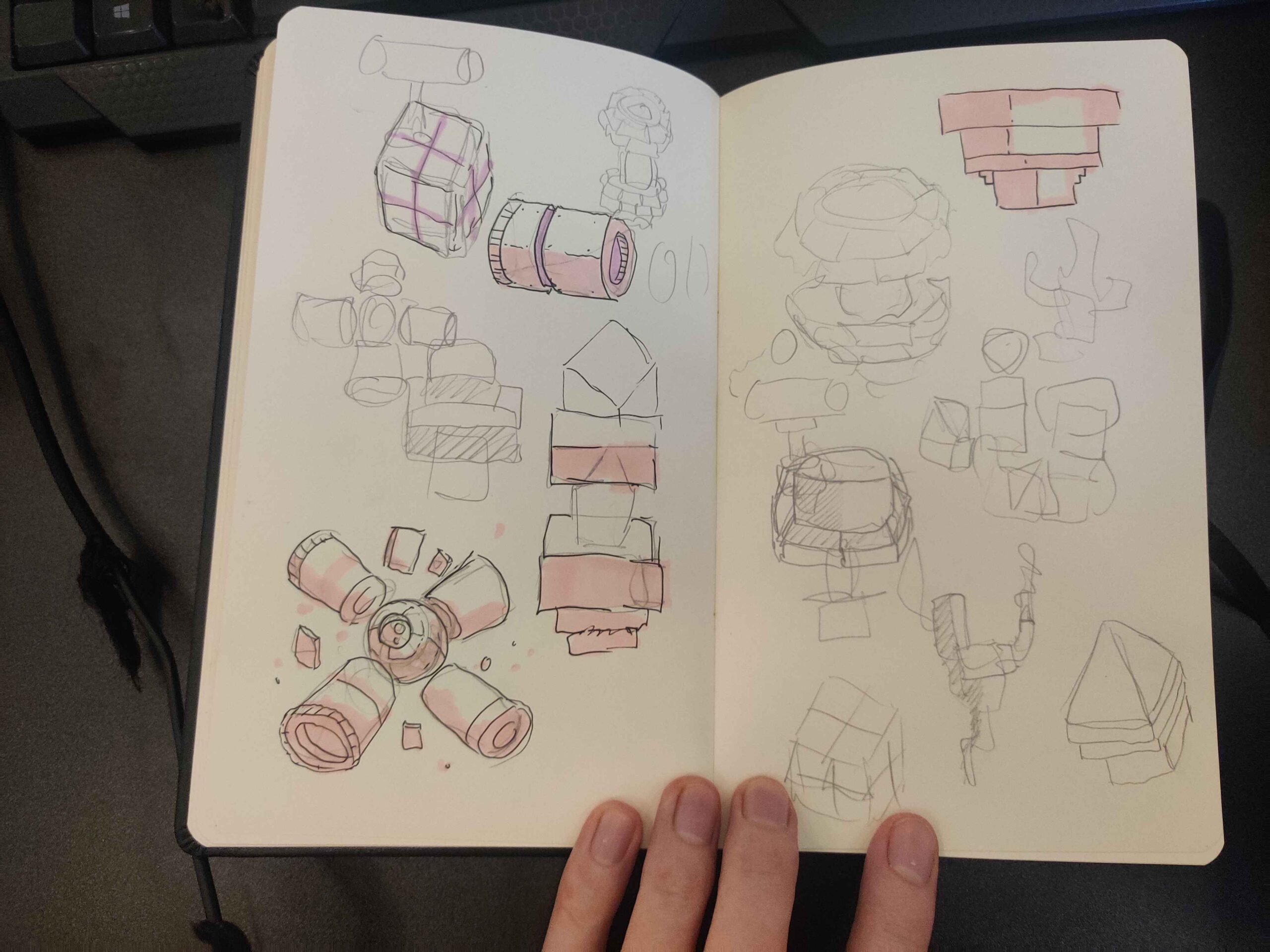
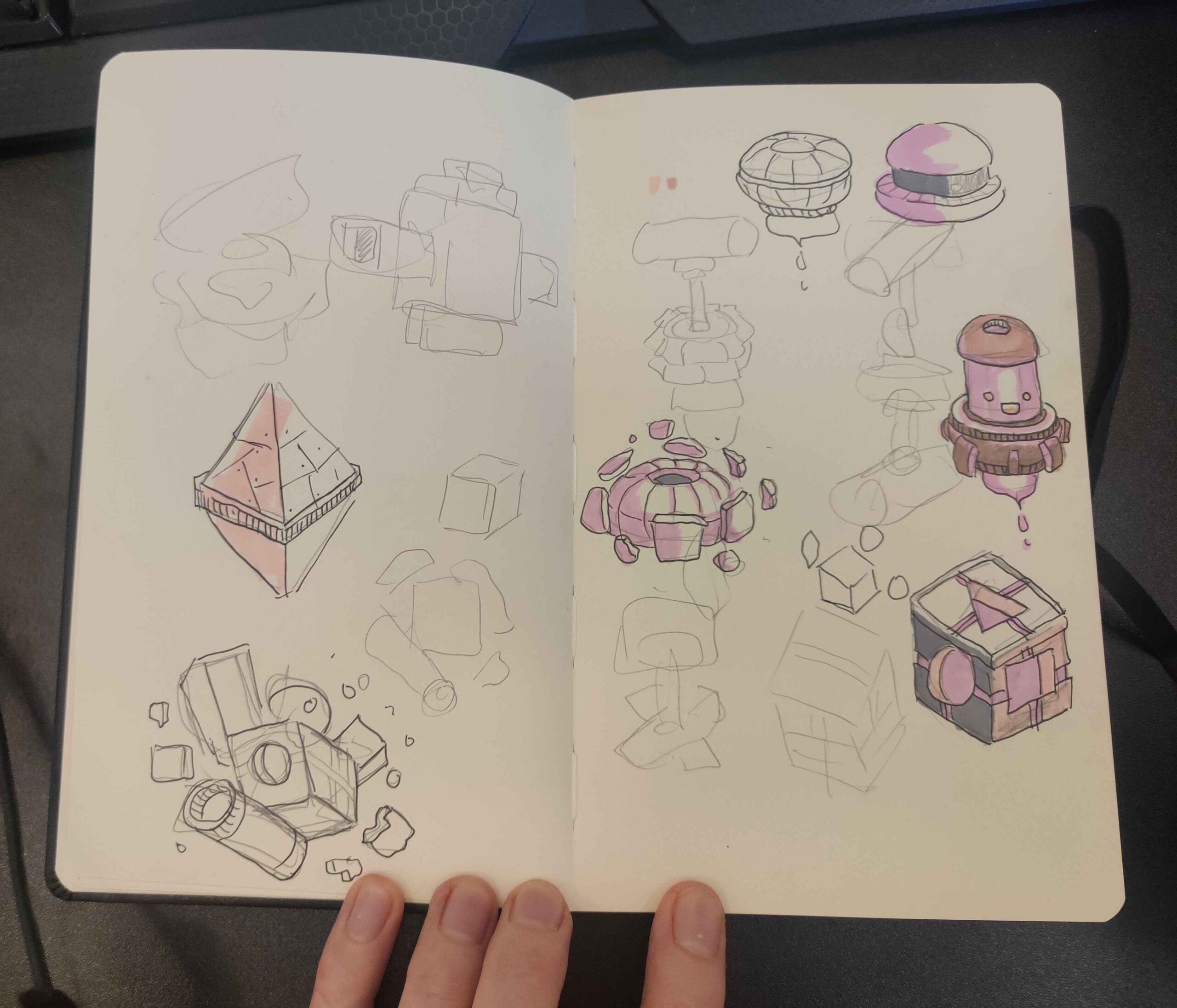
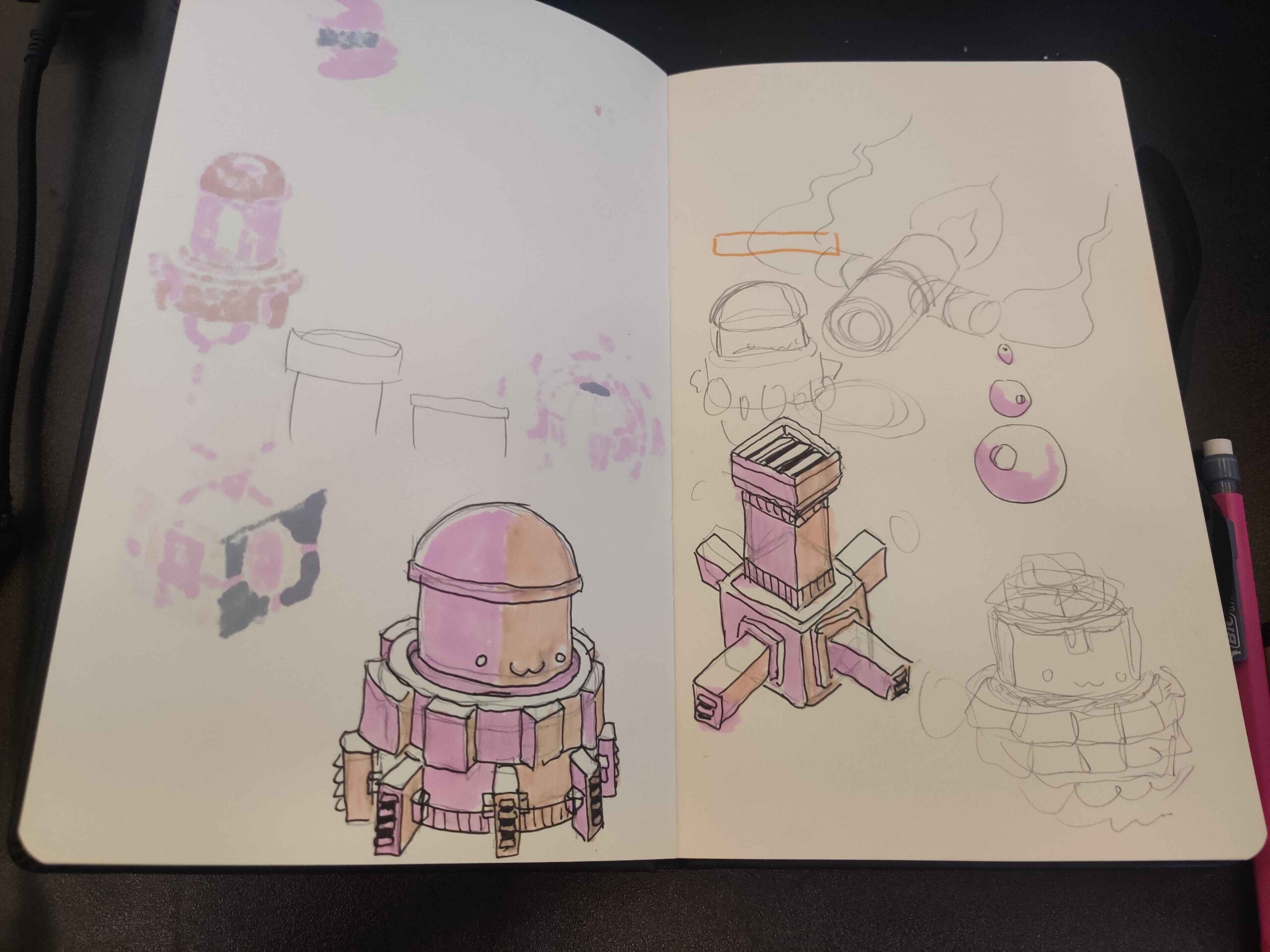
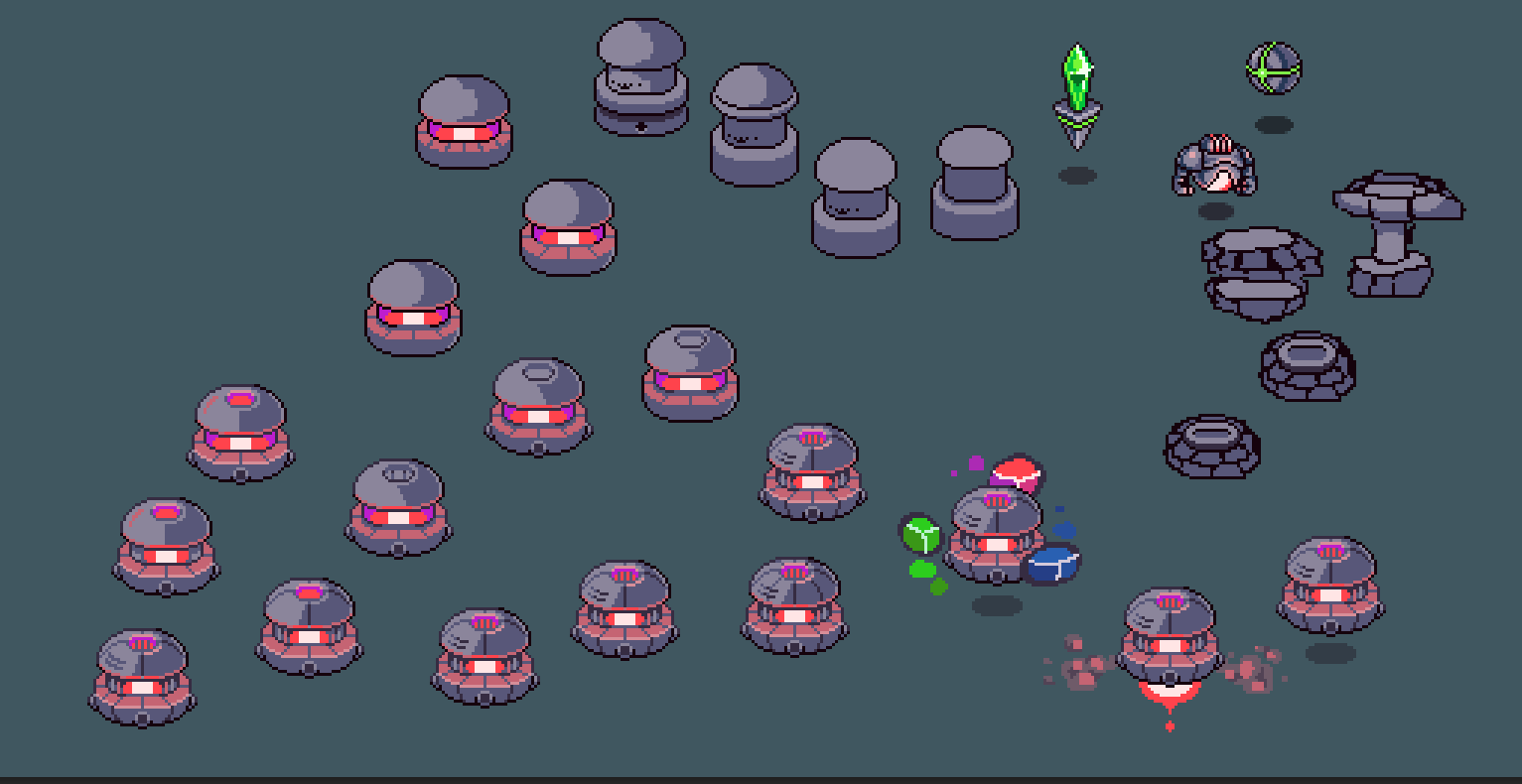
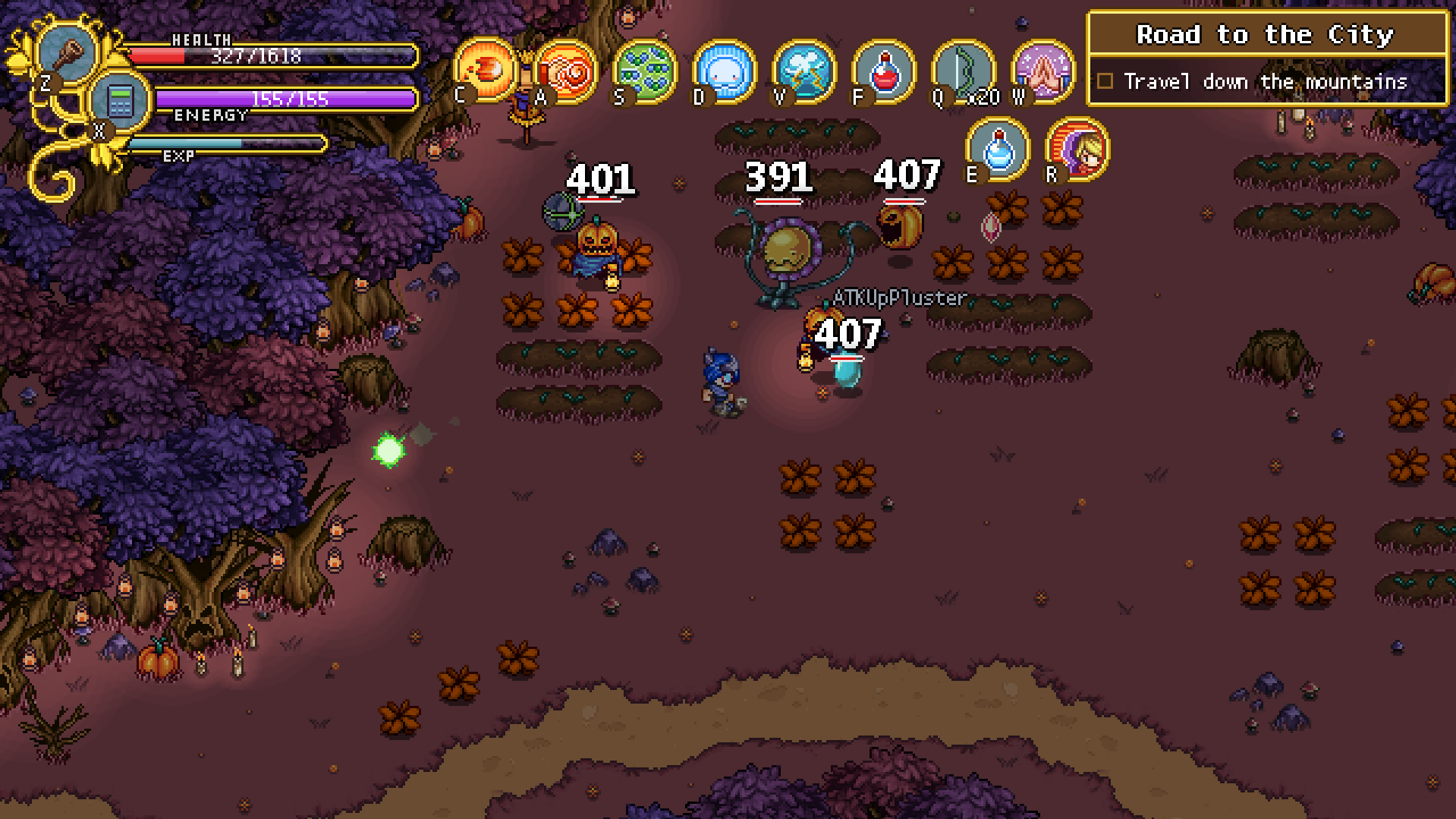
We’ve also introduced three new ‘enemies’, called Totems. The main purpose of the Totems are that they carry enemy pins – they aren’t proper enemies in the sense that they drop cards or give you EXP. In essence, they’re more like obstacles that make battles more difficult. Here’s a breakdown:
“Weak Totem”: Can hold up to three pins but is relatively fragile.
“Tanky Totem”: A sturdier option that can hold one or two pins.
“Mobile Totem”: This totem moves around like a Lantern Jack and holds one or two pins.
The pins the Totems carry can do anything from healing or shielding nearby enemies, sending occasional laser beams your way, or any other number of things to make your life more difficult.
If you have ideas for more enemy pins you’d like to see, please share your ideas in the comments or over on our Discord!
The Production Book
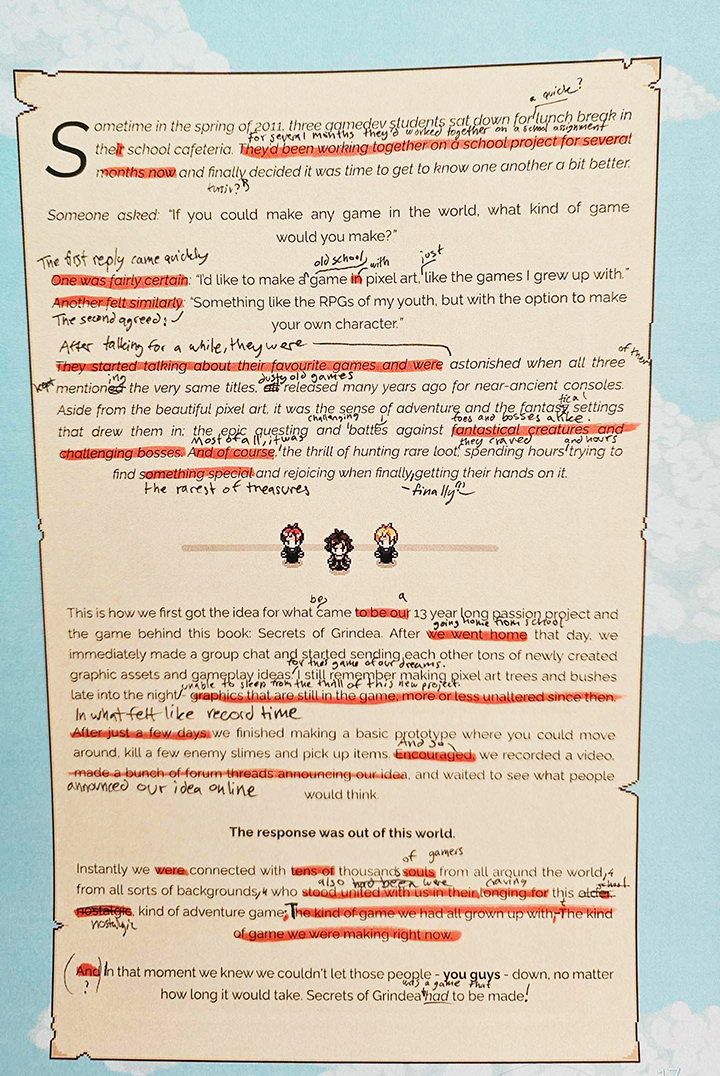
Our production book is also coming along nicely. It’s currently going through a rigorous editing process, and we’ve added 18 new pages, bringing the total to a pretty impressive 149 pages for now! We’re still tweaking and refining things, so there might be even more content by the time it’s finalized.
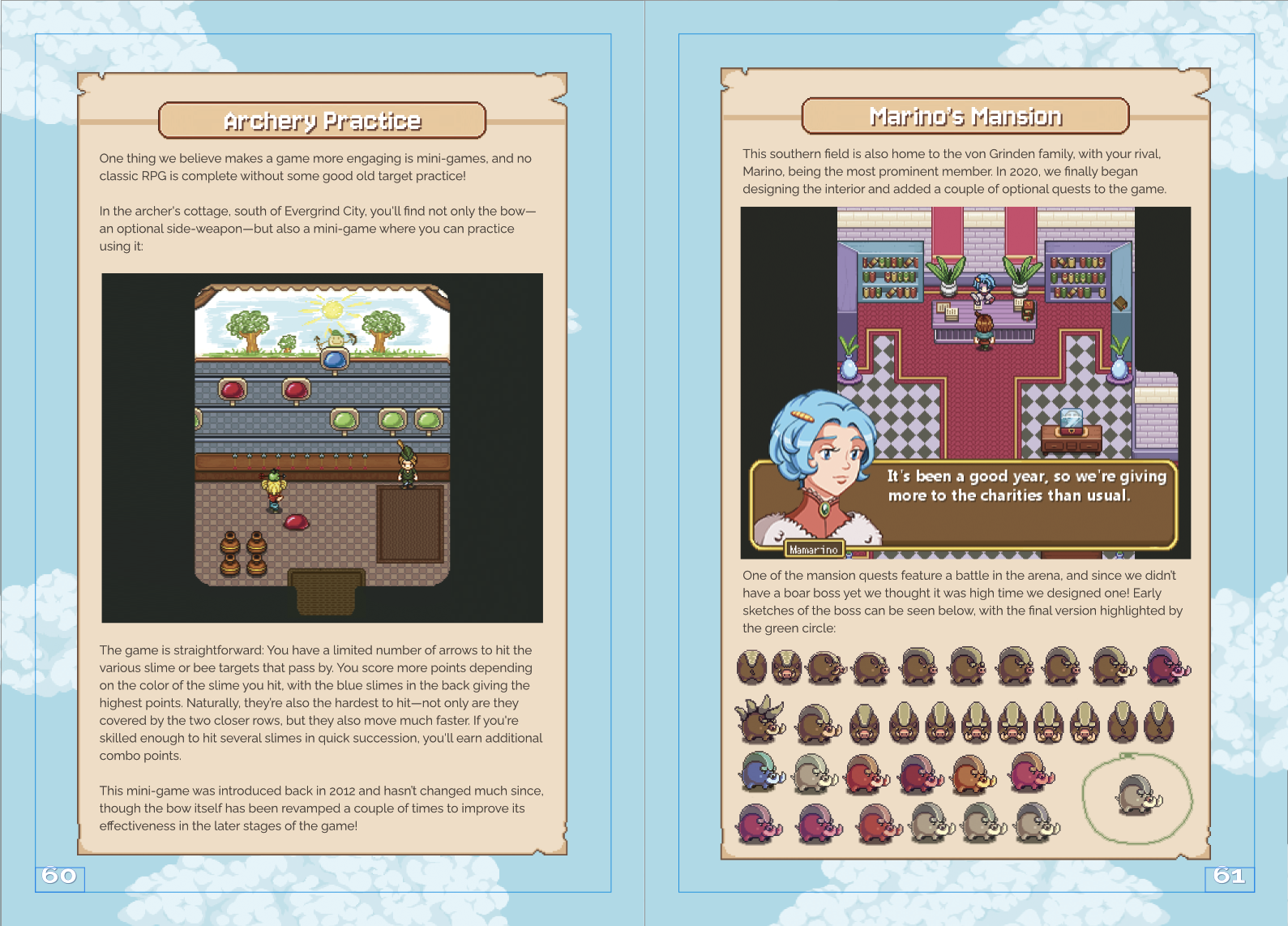
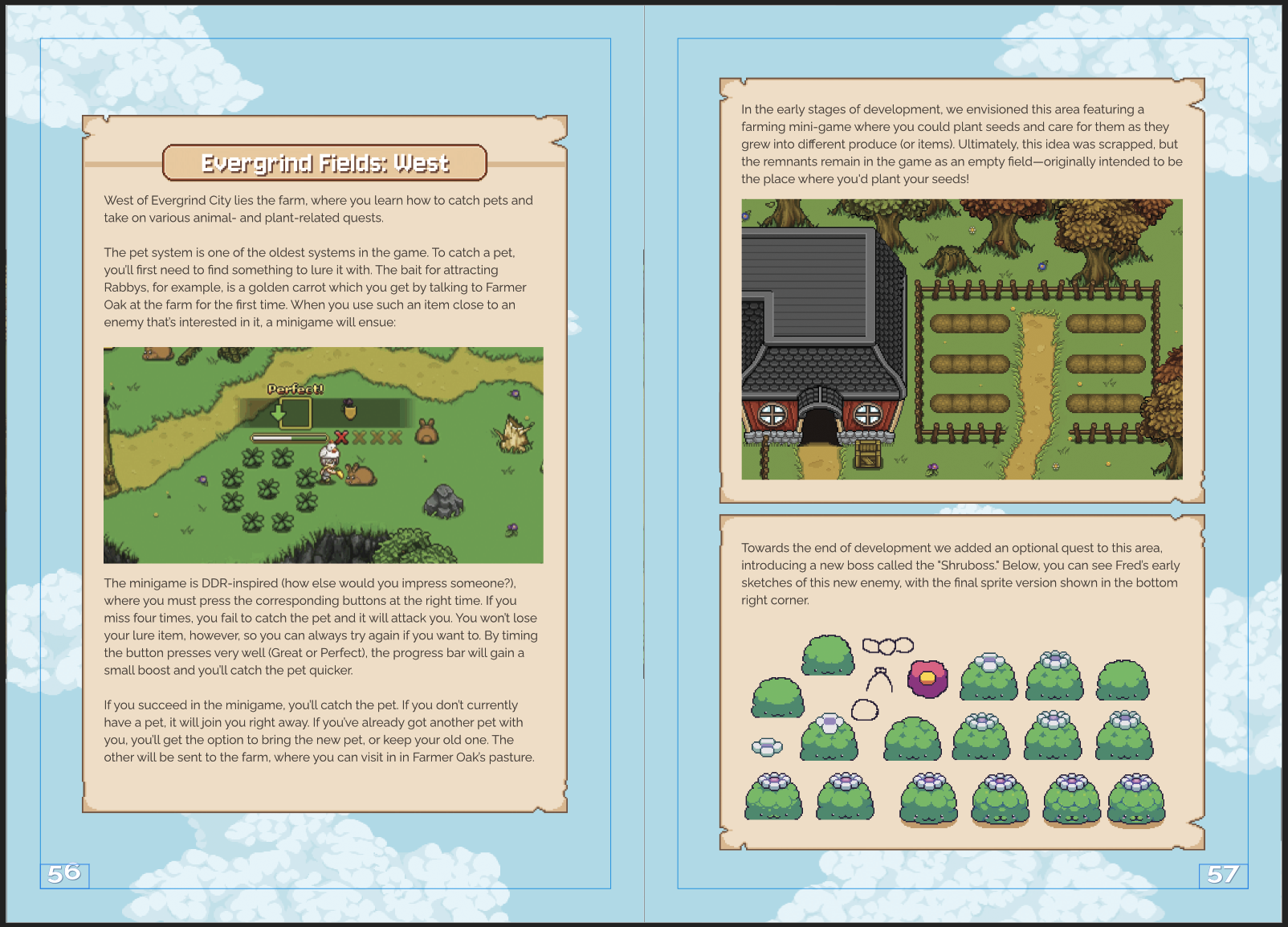
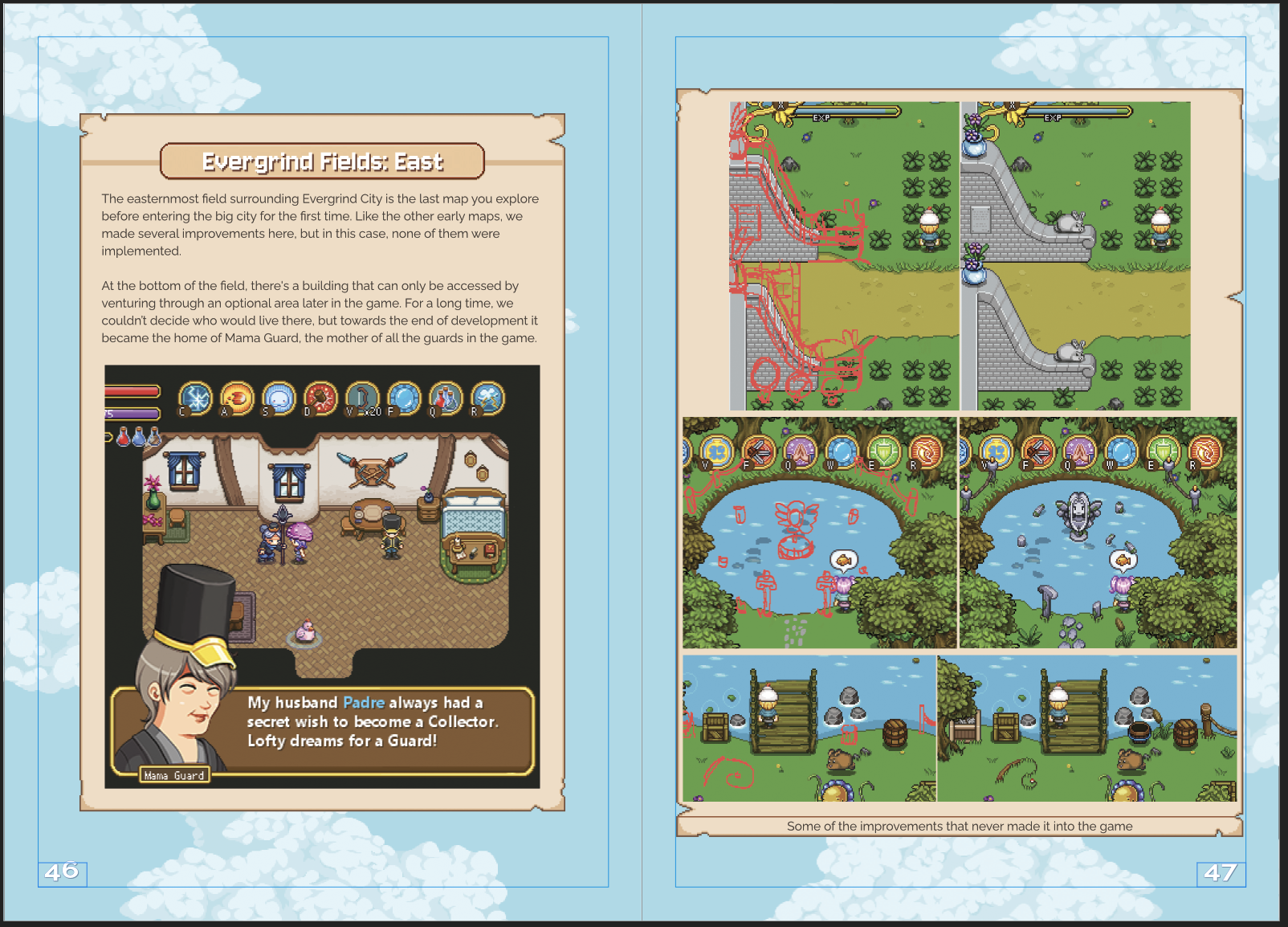
By the time of the next update we hope this editing phase will be done, which means everything will be proof read one more time before we’re ready to start sending it out. We expect the publishing to align with a bigger update or perhaps with the 1 year anniversary of the game’s full release – we’ll see!